Place of manufacture
NiigataTsubame · Sanjō · Japan
The reference region for kitchen utensils
Tsubame and Sanjō, in Niigata Prefecture, form a reference region for kitchen utensils. Twenty-one objects in the selection are made there. Zoom in to see what comes from Tsubame and what comes from Sanjō.
Related objects
-
 Tsubame-Sanjo stainless steel tea canisterMade in Tsubame-Sanjō62€
-
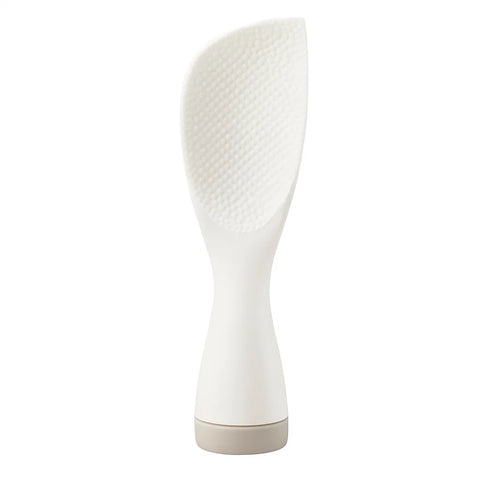 Tsubame rice spatula (shamoji)Akebono · Tsubame17€
-
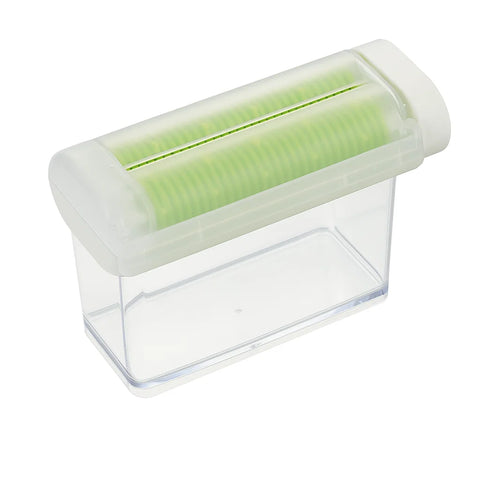 Manual nori punchAkebono · Tsubame43€
-
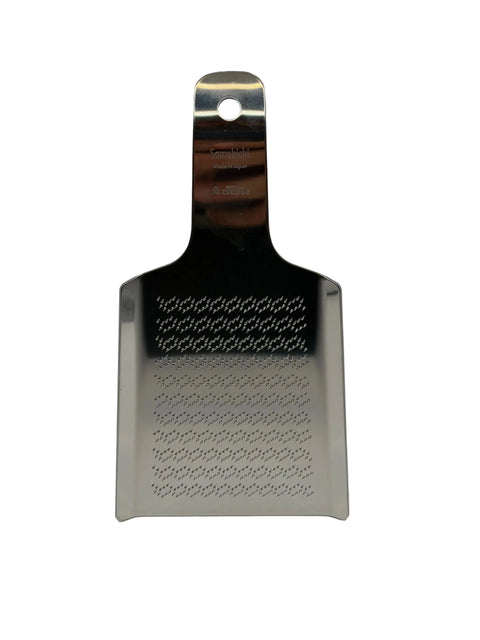 Samekichi stainless steel Tsuboe graterTsuboe · Tsubame-Sanjō38€
-
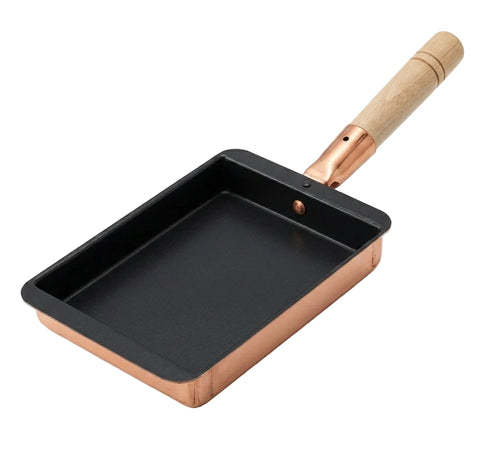 Copper tamagoyaki pan, wooden handleMade in Tsubame365€
-
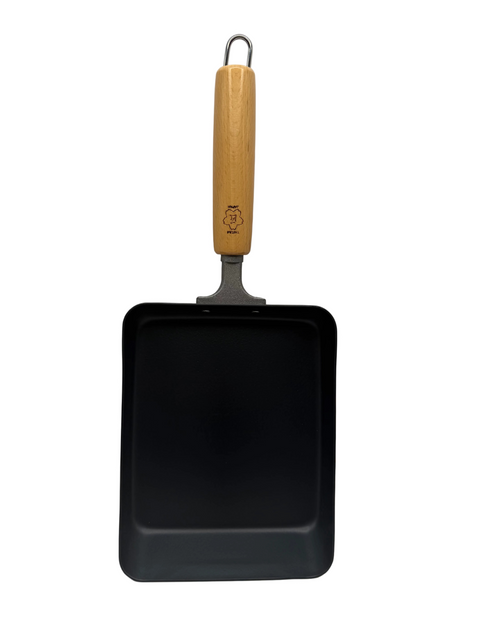 Takumi Japan Tamagoyaki PanMade in Tsubame65€
-
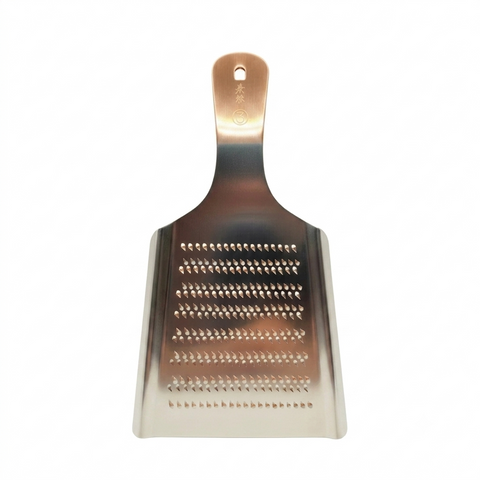 Copper graterMade in Tsubame125€
-
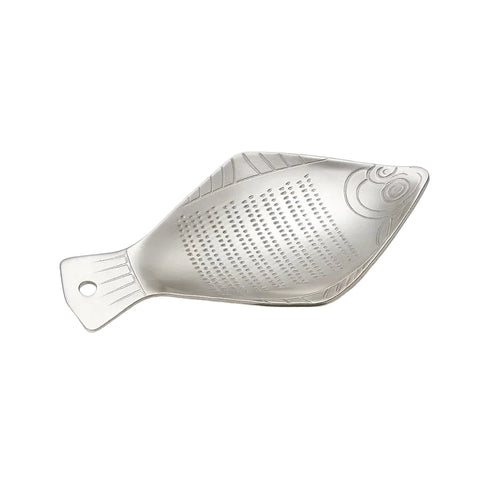 Handcrafted Japanese graterMade in Tsubame22€
-
 Katsuobushi dried bonito shaver MMade in Tsubame112€
-
 Teppan steel spatula with wooden handleMade in Tsubame39€
-
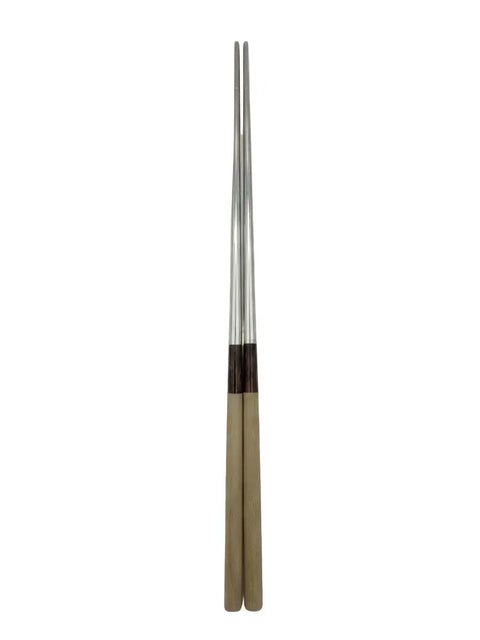 Stainless steel moribashi serving chopsticks89€
-
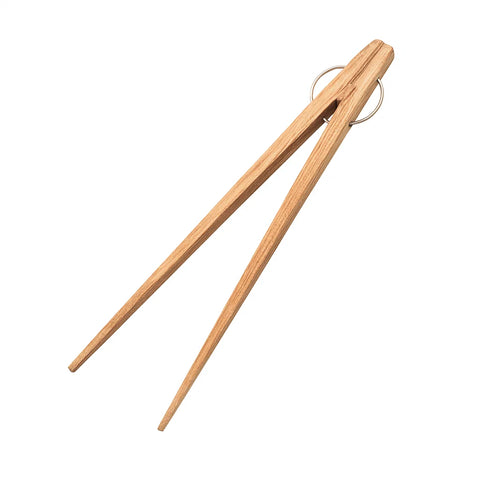 Beechwood serving tongsMade in Tsubame35€
-
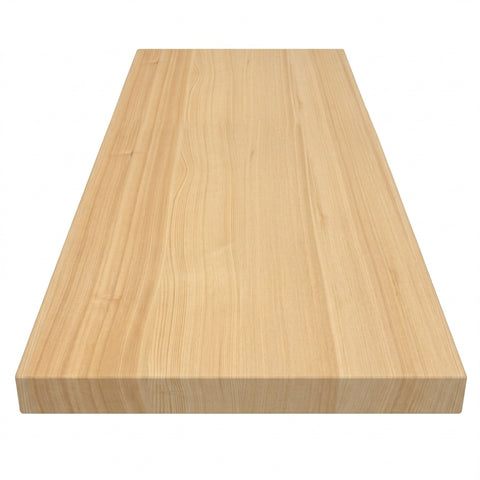 Thick solid hinoki wood boardMade in Tsubame238€
-
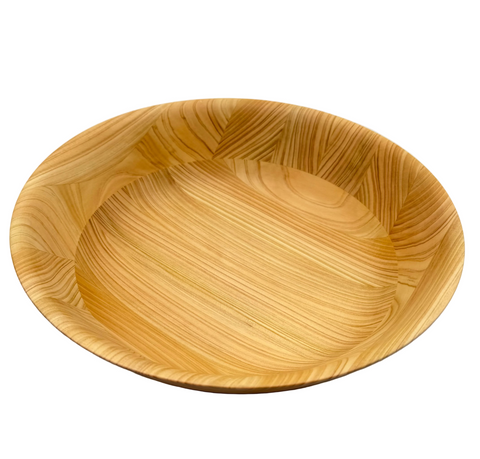 Hikiyose bowl, large size 30x30Made in Tsubame165€
-
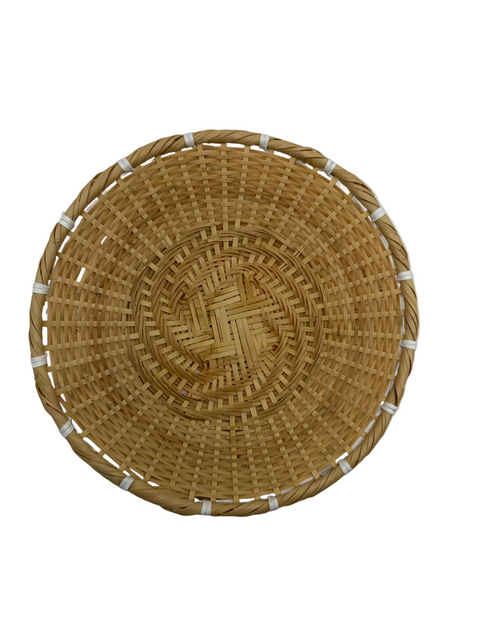 Hand-woven zaru, two sizesMade in Tsubame39€
-
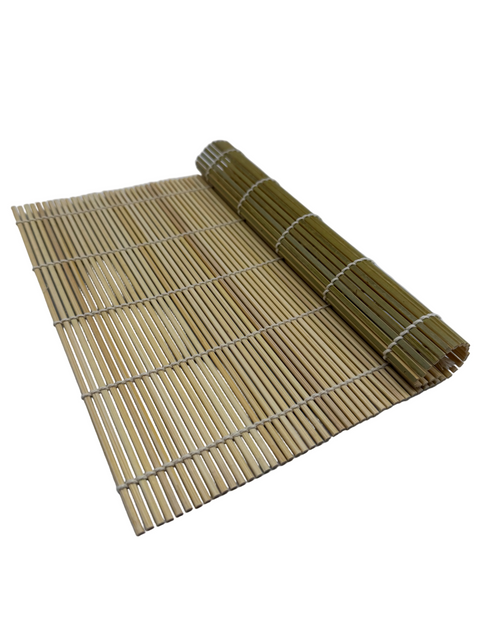 Natural bamboo makisu 24x24Made in Tsubame15€
-
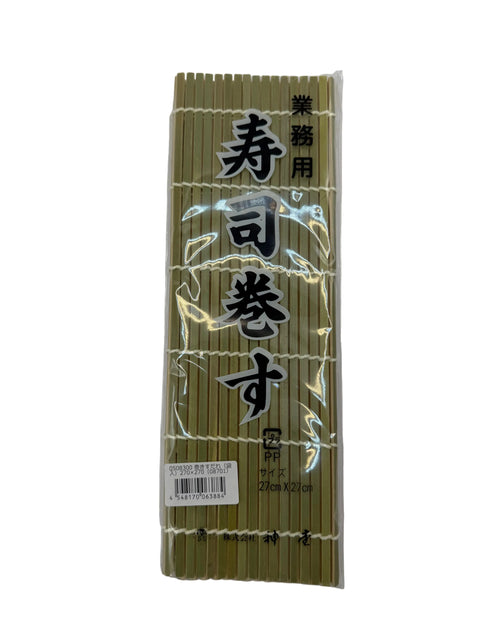 Bamboo sushi mat 27x2720€
-
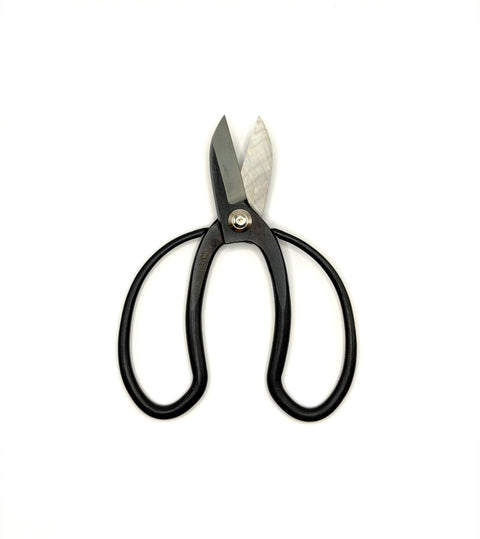 Ōkubo Ring SecateursŌkubo workshop · Sanjō59€
-
 Ikebono pruning shearsMade in Sanjō59€
-
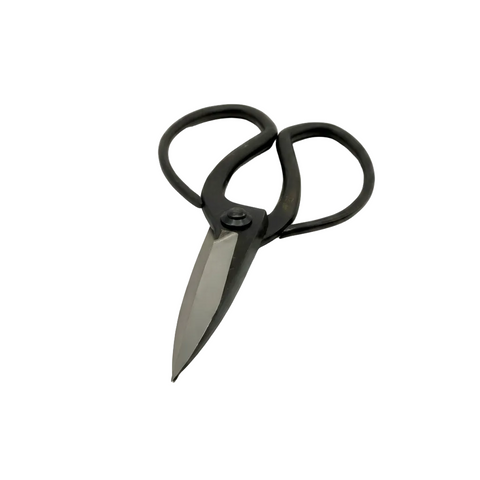 Large black Ōkubo pruning shearsŌkubo workshop · Sanjō65€